
As we step into the year 2024, the architectural landscape is set to undergo a transformative evolution, blending cutting-edge technology with sustainability and human-centric design. In this blog, we will explore the features that are poised to dominate architectural design trends 2024, shaping the way we interact with our built environment.
1. Biophilic Design: Bringing Nature Indoors
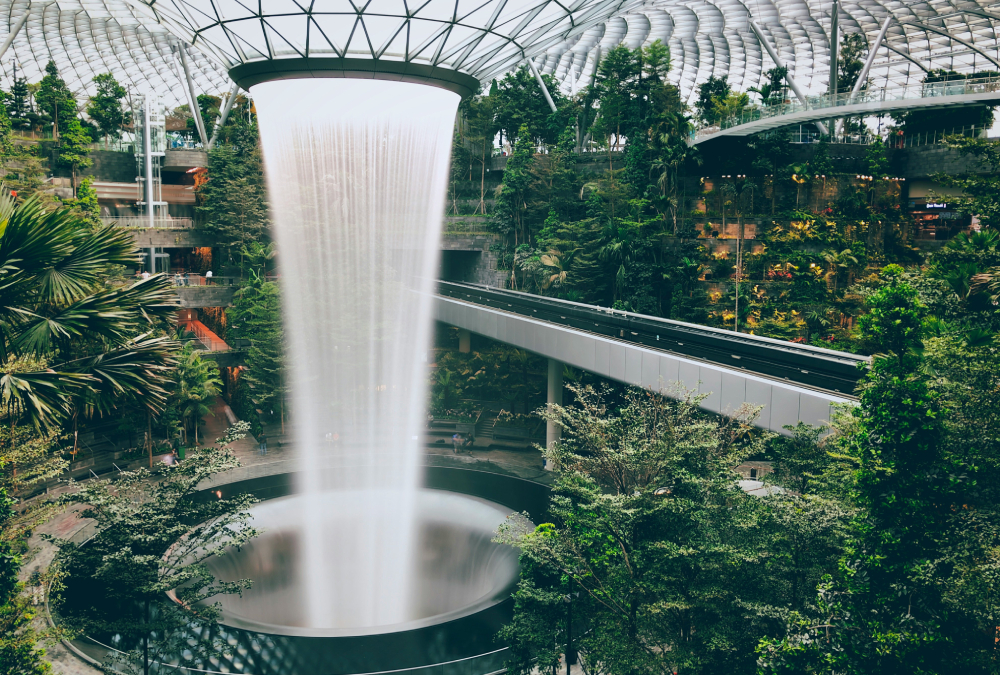
Architects are increasingly embracing biophilic design, a concept that seeks to connect occupants with the natural environment. Spaces are designed to incorporate natural elements such as plants, water features, and natural light. The goal is to enhance well-being, reduce stress, and increase productivity. Living walls, indoor gardens, and large windows that blur the line between indoors and outdoors are becoming common features in modern buildings.
2. Responsive Architecture: Adapting to Changing Needs
The rapid pace of technological advancement has given rise to responsive architecture. Now, buildings will be designed to adapt to changing environmental conditions and user needs. Smart materials, responsive facades, and kinetic structures allow for dynamic adjustments in real-time. For example, buildings can optimize energy usage based on weather conditions or change their internal layout to accommodate different functions throughout the day.
3. Parametric Design: Harnessing Computational Power
Parametric design, driven by computational algorithms, is revolutionizing the way architects conceptualize and create structures. In 2024, architects are using advanced software to generate complex, highly optimized forms that were once difficult or impossible to achieve. This approach allows for greater efficiency in design, structural performance, and resource utilization. From facades to furniture, parametric design is pushing the boundaries of what is architecturally possible.
4. Virtual and Augmented Reality in Design and Visualization
Virtual and augmented reality technologies are slowly becoming integral tools in architectural design and visualization. Architects can immerse themselves and their clients in virtual spaces, providing a more immersive and interactive design experience. This not only facilitates better communication between stakeholders but also allows for real-time design modifications. VR and AR are also used in the construction phase for enhanced project management and quality control.
5. Cultural Sensitivity in Design: Embracing Diversity and Inclusion
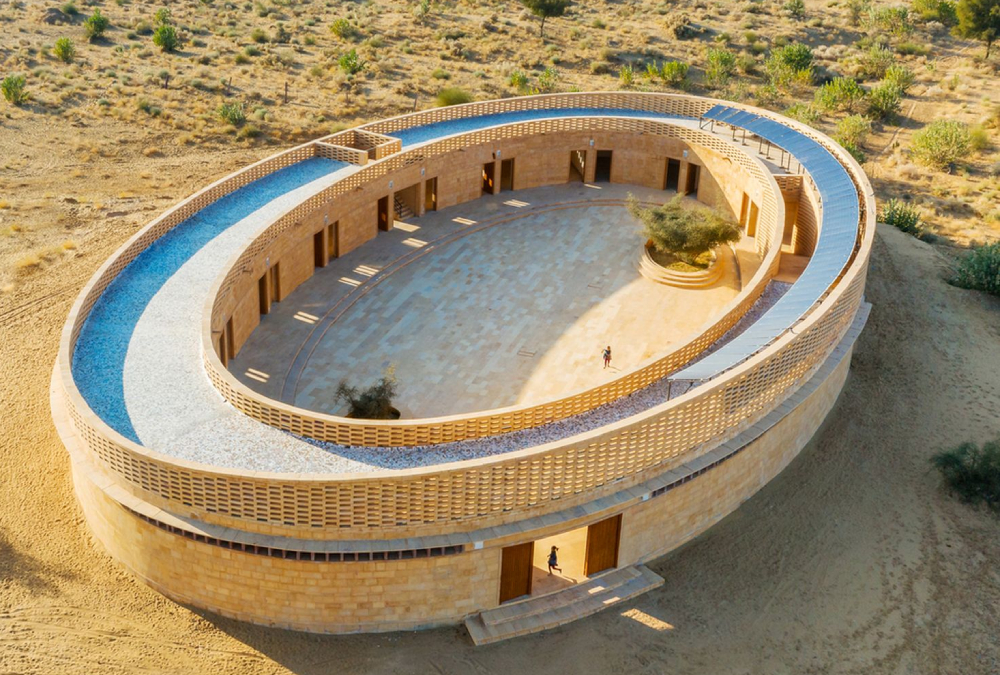
Architects in 2024 need to recognize the importance of cultural sensitivity in design. Embracing diversity and inclusion, they can create spaces that reflect and celebrate the cultural identities of their occupants. This trend goes beyond aesthetics to consider how buildings can support diverse lifestyles, traditions, and values. Inclusivity is a key principle, ensuring that architecture serves all members of the community.
6. Flexible and Multi-Functional Spaces: Adaptable Environments
In response to changing work and lifestyle patterns, architects are designing spaces that are flexible and multi-functional. Buildings will be equipped with movable walls, modular furniture, and adaptable layouts that can easily transform to meet different needs. This trend reflects the evolving nature of how we live, work, and interact, providing spaces that can seamlessly transition between various functions.
7. Zero-Waste Construction: Minimizing Construction Footprint
The industry is placing a strong emphasis on zero-waste construction methods. From prefabrication and modular construction to the use of recycled and reclaimed materials, the industry is actively seeking ways to minimize waste generated during the building process. This trend not only aligns with sustainability goals but also contributes to more efficient and cost-effective construction practices.
8. Resilient Design: Adapting to Climate Challenges
With the increasing impact of climate change, architects are incorporating resilient design principles into their projects. This involves designing structures that can withstand and adapt to extreme weather events, rising sea levels, and other climate-related challenges. From elevated foundations in flood-prone areas to the integration of passive cooling strategies, resilience is becoming a key consideration in creating buildings that can endure the changing climate.
9. Digital Twins in Architecture: Enhancing Design and Management
The use of digital twins i.e. virtual replicas of physical buildings is gaining traction in architectural practice. Firms are leveraging advanced modeling and simulation technologies to create digital twins that provide a comprehensive understanding of a building’s performance. This goes beyond design and visualization, extending to real-time monitoring of energy usage, occupant behavior, and structural health. Digital twins contribute to more informed decision-making throughout a building’s lifecycle.
10. Wellness-Centric Design: Prioritizing Occupant Health
As awareness of the connection between built environments and human health grows, architects are prioritizing wellness-centric design. In 2024, buildings are being designed to promote physical and mental well-being. This includes features such as circadian lighting systems, air quality monitoring, and spaces that encourage physical activity and relaxation. Wellness-centric design acknowledges the profound impact that architecture can have on the health and happiness of occupants.
Conclusion
These architectural design trends 2024 highlight the dynamic and innovative nature of architectural design. From biophilic design to the integration of digital twins, architects are embracing technology and sustainable practices to shape a built environment that is not only visually striking but also resilient, wellness-focused, and environmentally responsible. As we move forward, it’s clear that the buildings of tomorrow will not only be aesthetically pleasing but also environmentally responsible, culturally sensitive, and responsive to the evolving needs of society. The coming years are crucial in setting the stage for a more sustainable and harmonious relationship between humanity and the built environment.
Biophilic Design: Bringing Nature Indoors
Responsive Architecture: Adapting to Changing Needs
Parametric Design: Harnessing Computational Power
Virtual and Augmented Reality in Design and Visualization
Cultural Sensitivity in Design: Embracing Diversity and Inclusion
Flexible and Multi-Functional Spaces: Adaptable Environments
Zero-Waste Construction: Minimizing Construction Footprint
Resilient Design: Adapting to Climate Challenges
Digital Twins in Architecture: Enhancing Design and Management