

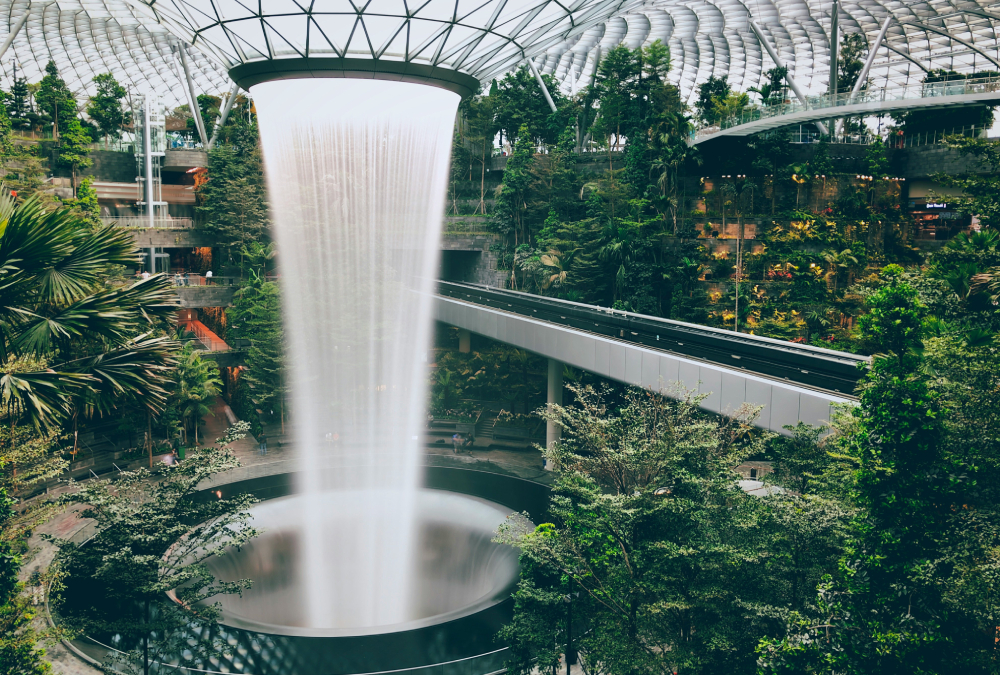
In the realm of architecture and design, a harmonious relationship between the built environment and the natural world has become a central focus. This endeavor finds its epitome in the philosophy of biophilic design, a concept that transcends mere aesthetics to foster a profound connection between people and nature within the spaces they inhabit.
What is biophilic design: origin and etymology
The term “biophilic” traces its roots to the Greek words “bios,” meaning life, and “philia,” meaning love. The concept was first introduced by American biologist Edward O. Wilson in his 1984 book “Biophilia.” Wilson proposed that humans possess an innate tendency to seek connections with nature and other forms of life. This idea laid the foundation for what we now recognize as biophilic design.
Emerging trends in design
Over the years, biophilic design has evolved from a theoretical concept to a practical approach employed by architects, interior designers, and urban planners worldwide. The core principle is to integrate natural elements and patterns into the built environment, promoting well-being, productivity, and sustainability.
As societies grapple with the challenges posed by rapid urbanization and the consequences of a technology-centric lifestyle, the relevance of biophilic design has surged. The movement has gained momentum as architects and designers recognize its potential to address pressing issues such as stress, mental health, and environmental sustainability.
One notable trend is the integration of biophilic elements in the design of corporate offices. Forward-thinking companies are acknowledging the impact of workplace environments on employee well-being and productivity. Incorporating natural elements such as indoor plants, natural light, and materials reminiscent of the outdoors has become a strategy to create more pleasant and inspiring workspaces.
How you can apply biophilic design in architecture
In the current architectural landscape, the application of biophilic design is not limited to a specific style or scale. It has found its way into diverse settings, ranging from office spaces and residential buildings to public parks and urban planning projects. This versatility underscores the universality of the human need for a connection with nature, regardless of the context.
1. Incorporating Natural Elements:
Architects can infuse their designs with nature by incorporating elements such as living walls, water features, and ample greenery. The use of organic materials like wood and stone not only adds a tactile dimension to the design but also establishes a connection with the Earth.
2. Maximizing Natural Light:
The strategic use of natural light is a fundamental aspect of biophilic design. Architects can optimize the placement of windows, skylights, and glass walls to maximize the penetration of sunlight into interior spaces. This not only reduces reliance on artificial lighting but also enhances the overall ambience of the space.
3. Embracing Biomorphic Forms:
Incorporating organic shapes and patterns in architectural elements can evoke a sense of nature within a space. Whether through the curvature of a building’s façade or the design of interior furnishings, biomorphic forms serve as a visual reminder of the natural world.
4. Creating Multi-Sensory Experiences:
Biophilic design extends beyond the visual realm to engage other senses. The incorporation of natural sounds, scents, and textures enhances the overall sensory experience of a space. Water features, for instance, not only provide visual appeal but also introduce the soothing sound of flowing water.
5. Sustainable Practices:
An integral component of biophilic design is the commitment to sustainability. Architects can prioritize eco-friendly materials, energy-efficient systems, and designs that minimize environmental impact. This not only aligns with the principles of biophilia but also contributes to the broader goal of creating resilient and sustainable built environments.
Conclusion
Biophilic design stands at the intersection of aesthetics, functionality, and human well-being. Its emergence and growing popularity underscore a collective recognition of the profound impact that the built environment has on our lives. As architects continue to explore innovative ways to integrate nature into their designs, the transformative potential of biophilic principles will undoubtedly shape the future of architecture, creating spaces that not only reflect our connection with the natural world but also contribute to a more sustainable and harmonious existence.